From Bulb to Bloom: How to Plant Daffodils for a Beautiful Spring Display
Few flowers signal the arrival of spring quite like the daffodil.
Bright, cheerful and wonderfully resilient, these golden blooms are a welcome sight after the long winter months.
In Irish, the daffodil is called Lus an Chromchinn, meaning “the plant of the bowed head”, a name inspired by the way the flower gently nods on its stem.
Its vibrant yellow colour and resilient nature have made the daffodil a symbol of renewal, hope and the changing seasons. Planting daffodil bulbs in autumn is a simple and rewarding way to fill your garden with colour the following spring.
Whether you’re new to gardening, refreshing your borders or planning colourful containers, here’s everything you need to know about planting and caring for daffodils.
Why are daffodils so popular for gardeners?
Daffodils are loved not just for their colour but also for their reliability. They’re hardy bulbs that can return year after year and require relatively little care once established.
They’re also incredibly versatile. Daffodils can create colourful displays in borders, naturalised areas, lawns and pots.
As some of the earliest spring flowers, daffodils bring welcome colour to the garden as winter comes to an end. By combining different varieties, you can also create a longer-lasting display across the spring season.
What varieties of daffodils should I choose?
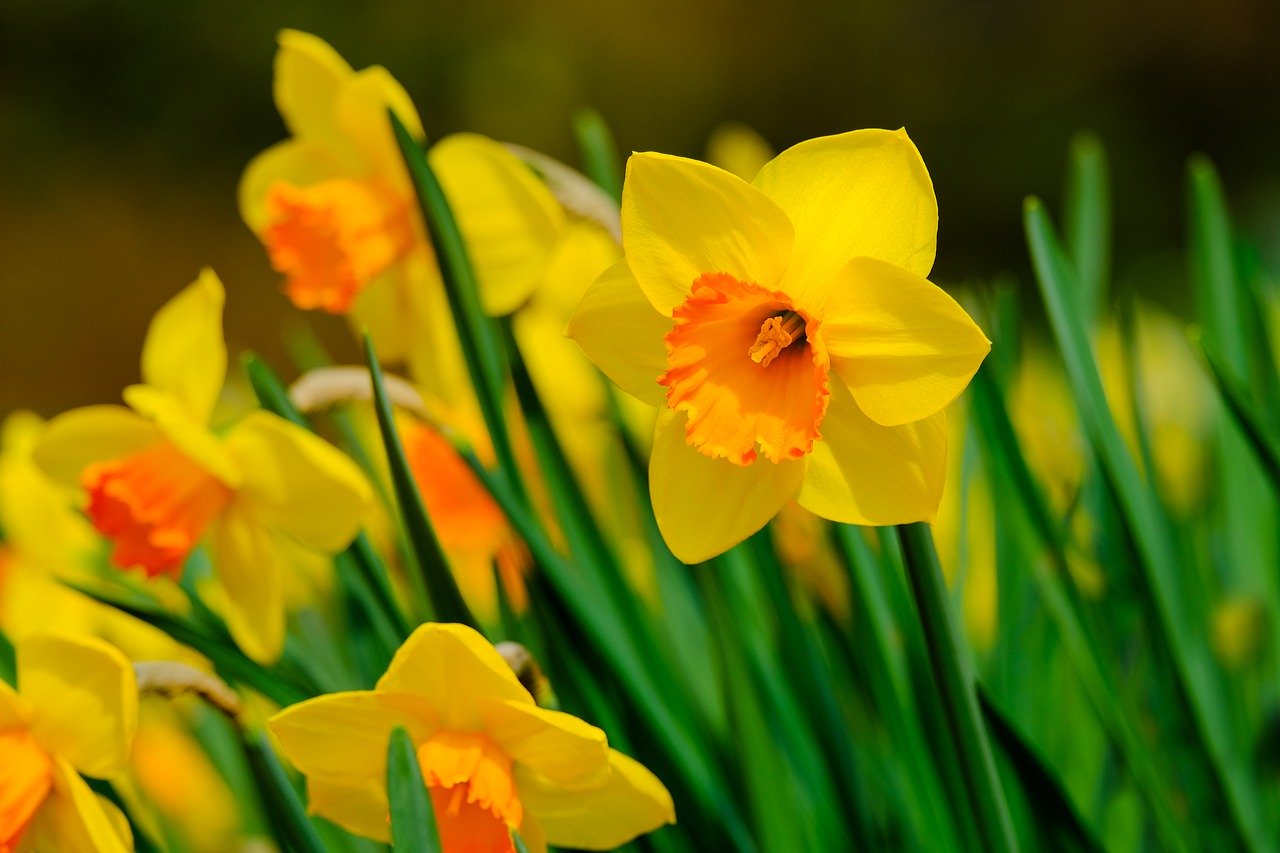
There are hundreds of daffodil varieties to choose from, ranging from classic yellow trumpets to smaller, multi-headed and double-flowering types.
A few of our favourites include:
- Dutch Master – a classic trumpet daffodil with large, bold yellow blooms that stand out in borders or lawns.
- Tamara – an early-flowering daffodil, bringing cheerful colour just as spring begins.
- Martinette – a smaller, multi-headed variety with golden petals and a sweet fragrance, ideal for pots or borders.
- Cheerfulness – a double-flowered variety with clusters of frilly blooms, adding softness and charm to any garden.
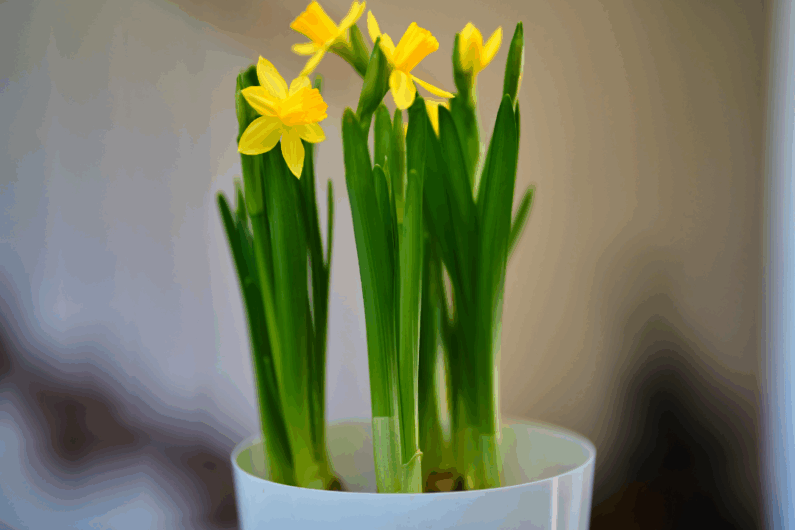
- Tête-à-Tête – a dwarf daffodil, compact and perfect for containers, rockeries, or the front of borders.
Mixing different varieties can help extend the flowering season, while a Mixed Varieties pack is an easy way to combine different styles and bloom times.
Explore our range of daffodil bulbs and find the varieties to suit your borders, containers and spring planting plans.
When should I plant daffodil bulbs?
The best time to plant daffodils is in autumn, before the first hard frost.
October is the perfect planting time, allowing the bulbs to establish roots before their spring growth begins.
Planning ahead in autumn means the bulbs have time to settle into their growing position before winter.
How do you plant daffodil bulbs?
Planting daffodils is straightforward. Focus on three things: depth, spacing and position.
1. How deep should you plant daffodil bulbs?
Plant each bulb approximately three times as deep as its height, usually around 10 to 15cm.
2. How far apart should daffodil bulbs be?
Leave approximately 10cm between bulbs.
For a more natural-looking display, plant bulbs in groups or drifts rather than arranging them in perfectly straight rows.
3. Where should you plant daffodils?
Choose a sunny or lightly shaded position with well-drained soil.
Place each bulb with its pointed end facing upwards, cover with soil and firm gently. Water thoroughly after planting to help settle the surrounding soil.
What care do daffodils need after flowering?
Caring for daffodils once they’ve bloomed is the key to keeping them strong for future years. A few simple steps make all the difference:
- Deadhead spent flowers – Remove faded blooms so the plant doesn’t continue putting energy into seed production.
- Leave the foliage – Don’t cut the leaves back immediately after flowering. Allow the foliage to yellow and die back naturally before removing it.
- Feed lightly – A light application of suitable bulb fertiliser after flowering can help restore nutrients.
With the right aftercare, established daffodils can return and spread naturally over time.
Can daffodils be grown in pots?
Yes. Daffodils grow well in pots and containers, making them particularly useful for patios, balconies, smaller gardens and entrances.
Compact varieties such as Tête-à-Tête, Martinette and Cheerfulness work especially well in containers.
Choose a container with good drainage and avoid allowing bulbs to sit in waterlogged compost. The original guide recommends a pot around 20 to 25cm deep for most bulbs.
Plant the bulbs close together without allowing them to touch, with the pointed ends facing upwards. Fill the pot with peat-free compost or a suitable free-draining bulb mix and water after planting.
Keep the pots outdoors in a cool, sunny position during autumn and winter while roots establish.
After flowering, allow the foliage to die back naturally before removing it.
Plant this autumn for a brighter spring
Daffodils are among the easiest and most rewarding spring bulbs to grow. Whether you’re filling a border, adding colour to a lawn or creating a display of pots beside the front door, planting bulbs in autumn gives you something beautiful to look forward to after winter.
For more information on autumn planting be sure to visit our Autumn Bulb Planting Guide and keep an eye on the Tirlán Country Life Blog for more tips and information.